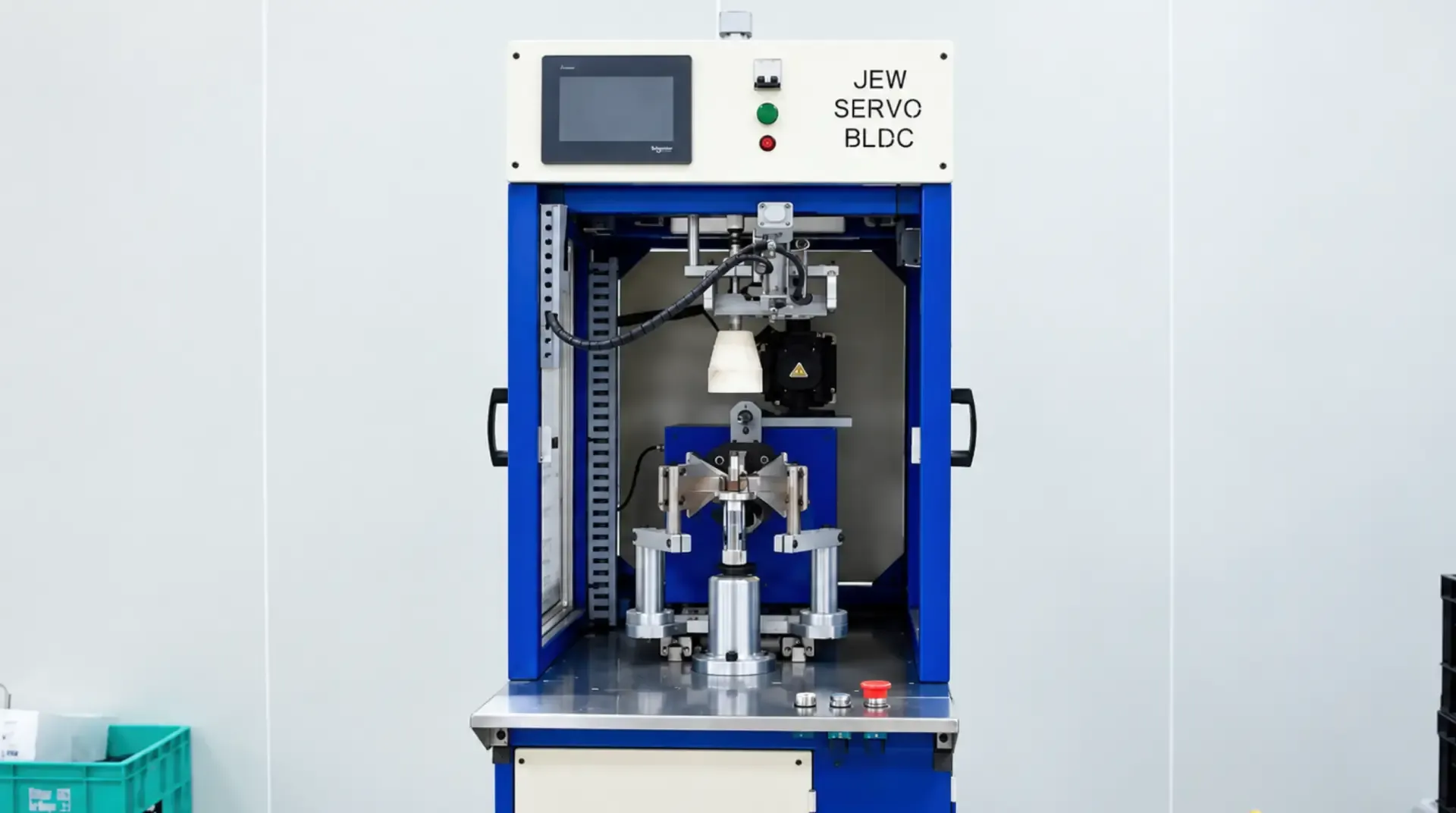
Identifying Electrical Defects in Printed Circuit Boards
In-Circuit Testing (ICT) is a testing method used in electronics manufacturing to examine individual components and electrical connections on a printed circuit board (PCB). It helps identify assembly-related faults before the board moves to the next stage of production.
Depending on the PCB design and test setup, ICT equipment uses probes to access designated test points and measure electrical characteristics. The results are evaluated against predefined test limits to identify potential component or connection problems.
How Does ICT Testing Work?
The in-circuit testing process involves checking accessible points on a PCB using a test system configured for the specific board design.
- PCB Positioning: The assembled circuit board is placed in the test fixture or connected to an appropriate probing system.
- Electrical Contact: Test probes connect with designated points on the PCB to access the circuits being evaluated.
- Component Measurement: The system measures selected electrical properties, such as resistance, capacitance, and continuity, where applicable.
- Fault Identification: Test results are compared with specified limits to help detect issues such as open circuits, short circuits, and incorrect component values.
- Result Evaluation: The collected results help determine whether the board meets the defined test criteria or requires further inspection.
Key Benefits of In-Circuit Testing
Component and Connection Verification
ICT can help verify the presence, orientation, and electrical characteristics of supported components, depending on the test program and board accessibility.
Early Detection of Assembly Defects
Testing can identify manufacturing issues such as solder bridges, open connections, short circuits, and incorrect component values, helping teams investigate defects earlier in the production process.
Electrical Parameter Testing
By measuring selected electrical properties at accessible test points, ICT helps assess whether components and connections meet predefined requirements.
Improved PCB Assembly Quality
Identifying faults before a product reaches later manufacturing stages can help reduce rework, support process improvement, and improve production consistency.
Support for Manufacturing Quality Control
ICT provides test results that can be used alongside visual inspection and other testing methods to evaluate PCB assembly quality.
Applications of ICT in Electronics Manufacturing
In-circuit testing can be used for suitable PCB assemblies across applications such as automotive electronics, industrial control systems, power electronics, and other electronic products.
The effectiveness of ICT depends on PCB layout, test-point accessibility, component characteristics, fixture design, and the test program. It is often used alongside functional testing when a broader evaluation of product operation is required.
Tell us the job. Get a quote.
Describe the part, material, quantity and target date. Our engineers reply within one working day.
Other divisions



Popular searches
One-piece Fittings | Two-Piece Fittings | Hydraulic Products | Hydraulic Hose Assembly