Wave Soldering
Efficient through-hole soldering for reliable, consistent assemblies.
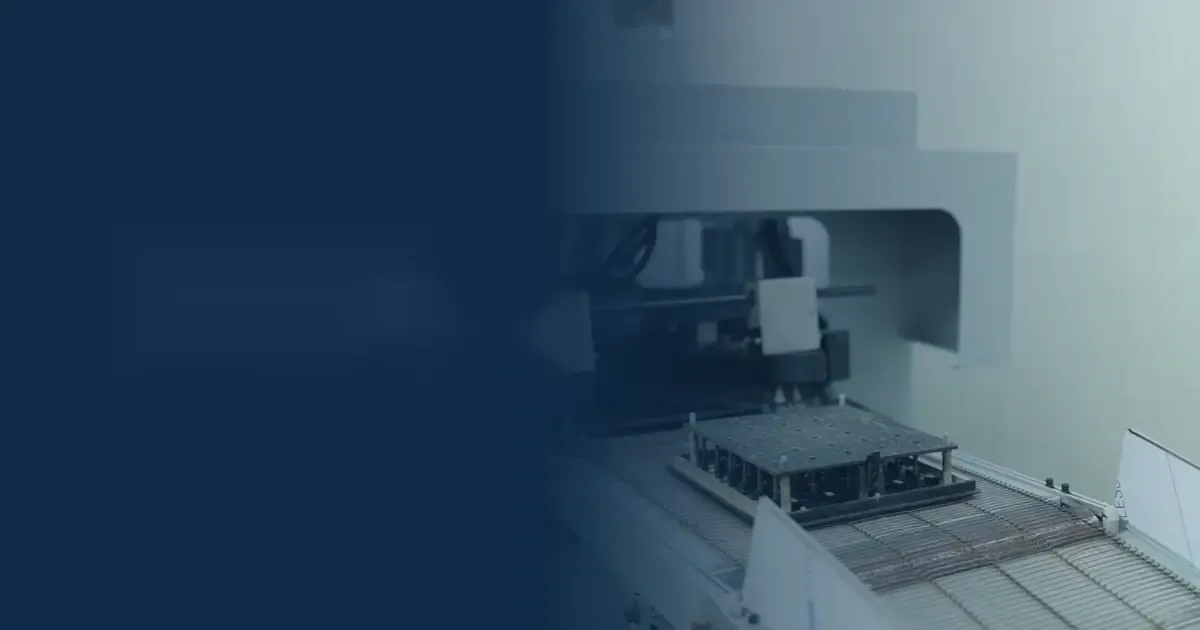
Reliable Soldering Solutions for PCB Assembly
Wave soldering is a widely used process in electronics manufacturing for soldering through-hole components onto printed circuit boards (PCBs). During this process, the PCB passes over a controlled wave of molten solder, creating electrical and mechanical connections between component leads and the circuit board.
This soldering method supports efficient assembly of electronic products where through-hole components are required. The process parameters are selected according to PCB design, component specifications, and soldering requirements to help achieve consistent connection quality.
How Does Wave Soldering Work?
Wave soldering involves several stages to prepare the PCB and establish reliable solder joints.
- Flux Application: Flux is applied to help prepare metal surfaces for soldering and improve solderability.
- Preheating: The PCB is heated gradually to prepare the assembly for contact with molten solder.
- Soldering Process: The board passes over a controlled wave of molten solder, forming joints at the component leads and PCB pads.
- Cooling: The soldered assembly is cooled to allow the solder joints to solidify.
- Inspection: The completed board is inspected for solder joint quality and potential assembly defects.
Key Benefits of Wave Soldering
- Efficient Component Soldering: Suitable for soldering multiple through-hole connections during a single process cycle.
- Consistent Solder Joints: Controlled process conditions help support uniform soldering results.
- Production Efficiency: Enables efficient processing of suitable PCB assemblies.
- Mechanical and Electrical Connections: Creates solder joints that secure component leads and establish electrical contact.
- Suitable for Through-Hole Technology: Supports PCB designs that use through-hole electronic components.
Applications of Wave Soldering
Wave soldering is commonly used for PCB assemblies containing through-hole components in applications such as:
- Automotive electronics
- Industrial electronic equipment
- Power supply assemblies
- Electrical control systems
- Electronic devices and control modules
The suitability of wave soldering depends on the PCB layout, component types, thermal requirements, and overall assembly design.
Wave Soldering in PCB Manufacturing
Wave soldering is an important process in PCB assembly when through-hole components need to be soldered efficiently. Selecting suitable process settings and carrying out appropriate inspections helps support solder joint integrity and assembly quality.
The choice between wave soldering, selective soldering, and other soldering methods depends on component placement, production requirements, and the design of the printed circuit board.
Tell us the job. Get a quote.
Describe the part, material, quantity and target date. Our engineers reply within one working day.
Other divisions
Popular searches
One-piece Fittings | Two-Piece Fittings | Hydraulic Products | Hydraulic Hose Assembly